I was on the other side of the table when it happened — conducting the interview, not sitting in it. Mid-summer, Dubai, the kind of heat that turns a five-minute walk from car park to office into a small ordeal. The candidate sat down, and within minutes the shirt had given him away: two dark patches spreading under each arm. He was well-prepared, well-spoken, clearly capable. None of that mattered in the moment. The shirt had already told the room something he hadn’t chosen to say.
I remember thinking: this isn’t a him problem. This is a shirt problem. And it’s probably everyone’s problem, all the time, in a city where the answer to ‘how hot is it outside’ is rarely useful information. Why doesn’t a shirt exist that’s actually built for this climate, instead of one that’s just tolerated in spite of it?

So I went looking for it. Fabric engineered for heat, cut for a Dubai body of work — the sit-down meetings, the client lunches, the drive between them. I assumed someone had already built this. Nobody had. Not in the UAE market, not that I could find.
That’s usually where an idea either dies or becomes a project. Mine became a project.
I started reaching out to pattern makers, fabric mills, manufacturers — China, Portugal, Turkey, and further out from there. Most conversations ended one of two ways: a polite no, or a quote that made no sense for a first run from someone with no fashion background and no industry relationships. A few people took the meeting just to see who was asking.
I went ahead anyway with a manufacturer in China who said yes. What came back wasn’t close. It was an expensive way to learn that intention and execution are two different skill sets.
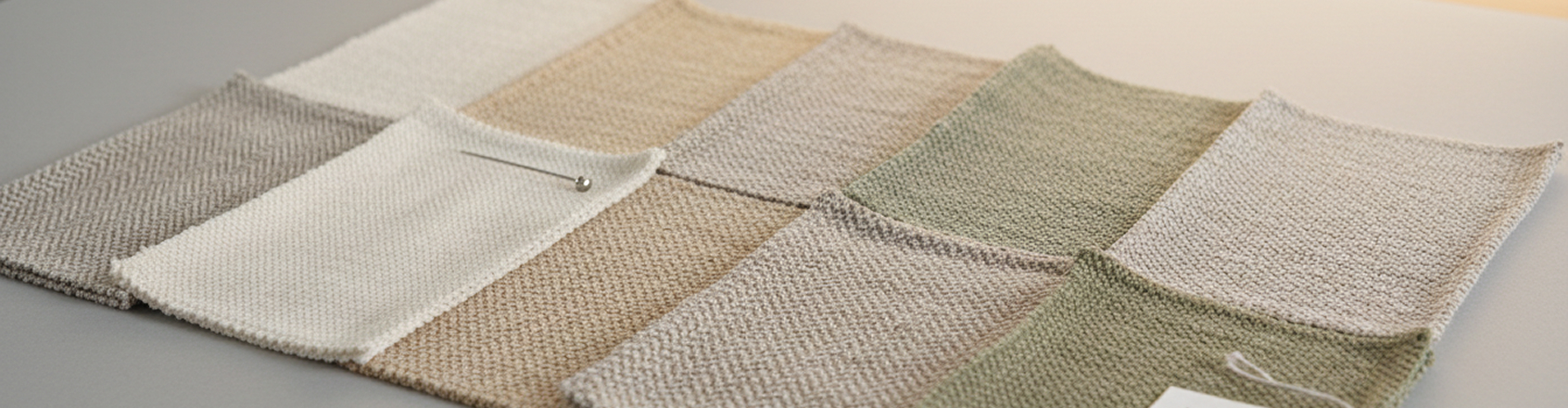
The turn came when I was introduced to a production house here in Dubai. The difference wasn’t just proximity — it was being able to sit across from someone, put a fabric swatch on the table, and say ‘no, like this’ while pointing at it. Fashion, it turns out, is a language best spoken in person.
From there it was eighteen months. Fabric samples that got rejected for reasons I couldn’t have articulated when I started — drape, recovery, how a weave behaves after the fortieth wash rather than the first. Pattern revisions. Fit sessions. The slow, unglamorous accumulation of small corrections that eventually stop feeling small and start feeling like a shirt.
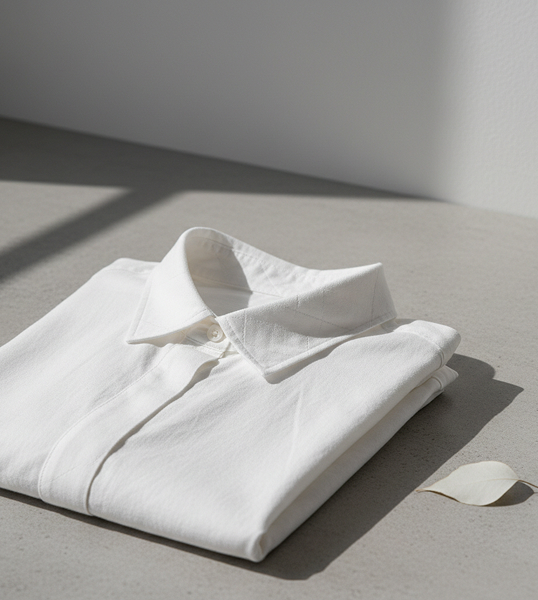
We called it the Legacy Shirt because of what it had to become before it earned the name. It isn’t just the first piece we made. It’s the standard every piece after it has to meet — if a fabric, a stitch, or a construction choice doesn’t hold up to what those eighteen months taught us, it doesn’t make it into the collection.
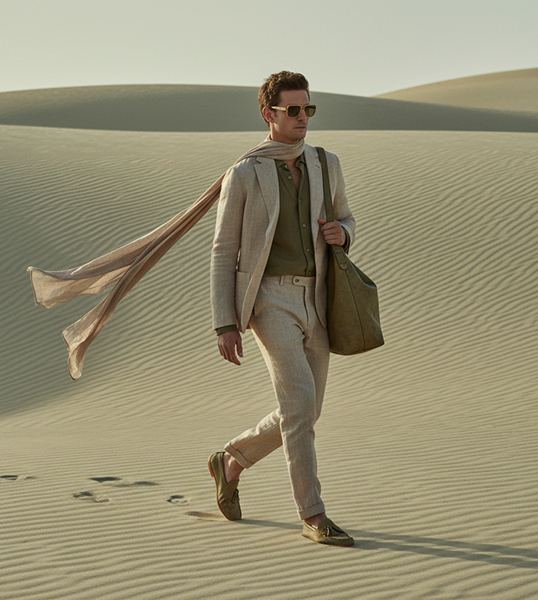
It launches alongside the Foundation Trouser, built on the same brief and named for the same reason — the piece meant to sit underneath everything else you wear, doing its job quietly enough that you stop noticing it’s there. Between the two, that’s the idea StephenCharles is built on: clothing that solves a real problem first, and looks considered doing it.
We’re proud to launch with both.